Educational Reference

Nutritional Compound Index

An organised reference presenting six broad categories of natural compounds and their general physiological roles, drawn from nutritional science literature. All descriptions are for educational purposes only.

6 Compound Categories
40+ Individual Entries
0 Products Sold
100% Educational Content
Compound Categories — Reference Overview

Compound Categories

Each category below represents a distinct class of nutritional compounds. Brief descriptions outline their general role in the body according to established nutritional science. This index is intended as an educational starting point for understanding these compound classes.

Vibrant arrangement of whole fresh fruits and vegetables including oranges, kiwi, spinach, and berries on a light grey stone surface showing natural sources of essential vitamins
Category 01

Essential Vitamins for Male Well-being

An overview of key vitamins — including Vitamin D, B-complex, A, C, and E — and their general functions in supporting overall male physiological processes, energy metabolism, and cellular maintenance.

  • Supports metabolic processes
  • Contributes to immune function
  • Aids in cellular maintenance
Learn More
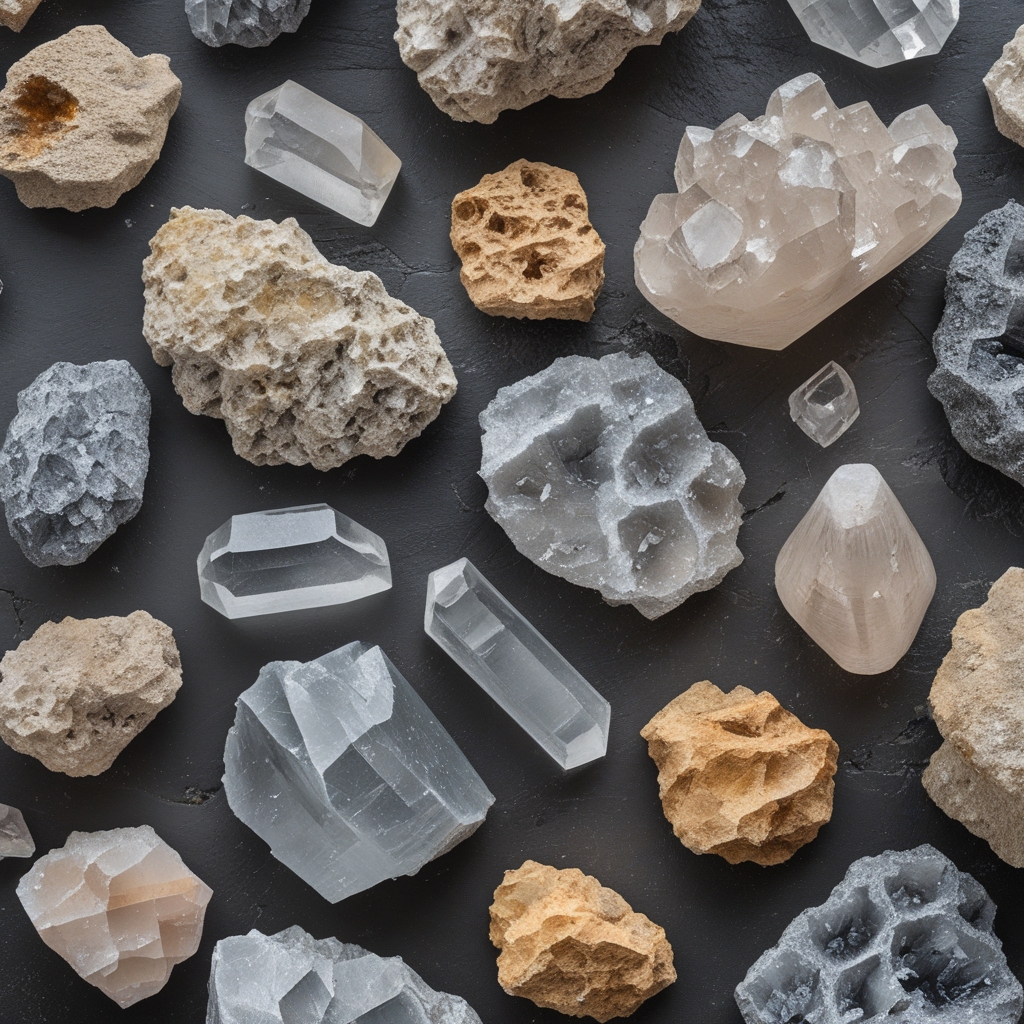
Close-up photograph of raw mineral crystals and natural rock formations with varied textures and earthy tones — grey, beige, and white crystalline structures on a dark surface
Category 02

Trace Minerals and Their General Functions

Explanation of essential trace minerals including zinc, selenium, and magnesium, and their roles in enzymatic reactions, neurological function, and the structural integrity of the body.

  • Facilitates enzymatic activity
  • Involved in nerve signal transmission
  • Supports bone structural integrity
Learn More
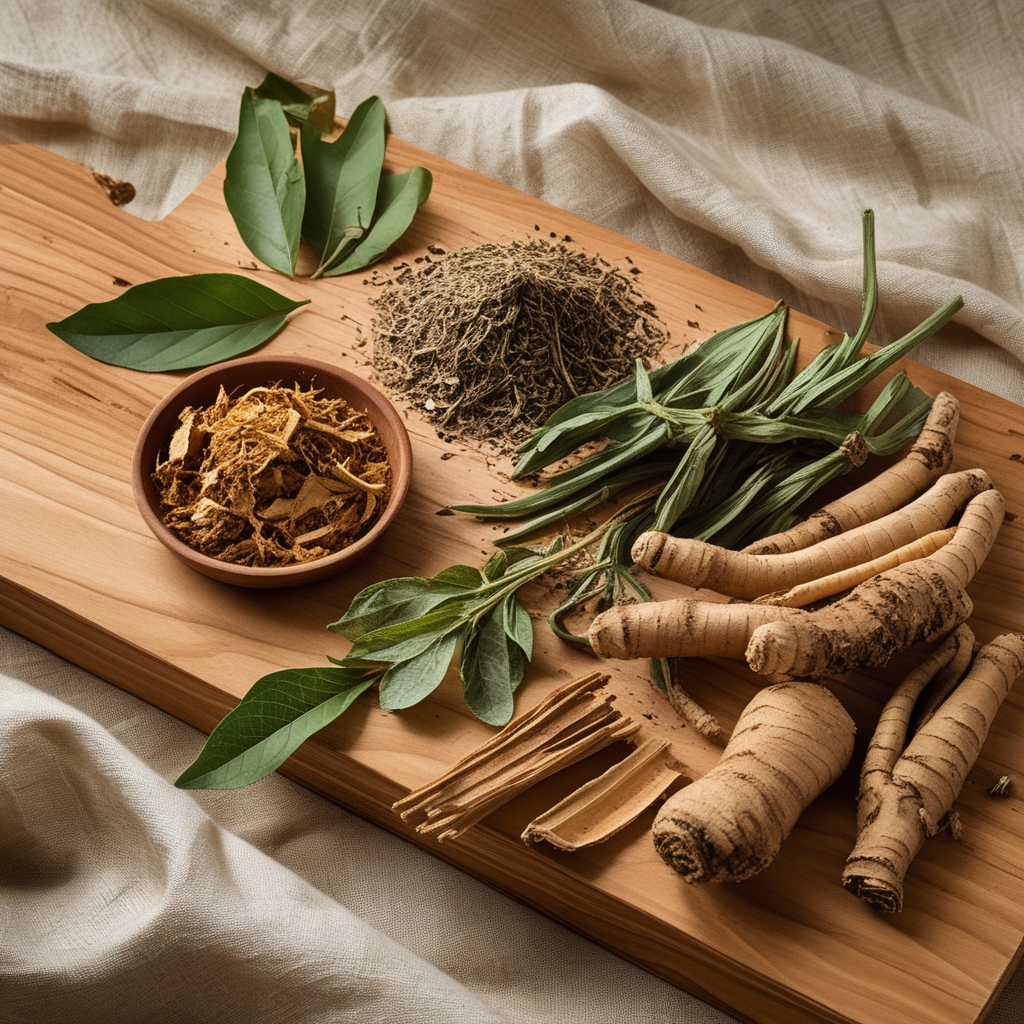
Dried botanical herbs and plant extracts arranged on a wooden board including ginseng root, dried leaves, and bark pieces with a natural linen cloth background in warm light
Category 03

Herbal Extracts and Plant-Based Support

An exploration of select botanical extracts such as ginseng, ashwagandha, and turmeric, historically recognised for their general adaptogenic properties, presented without specific outcome claims.

  • Discusses traditional uses
  • Explains general plant compounds
  • Notes supportive roles in adaptation
Learn More
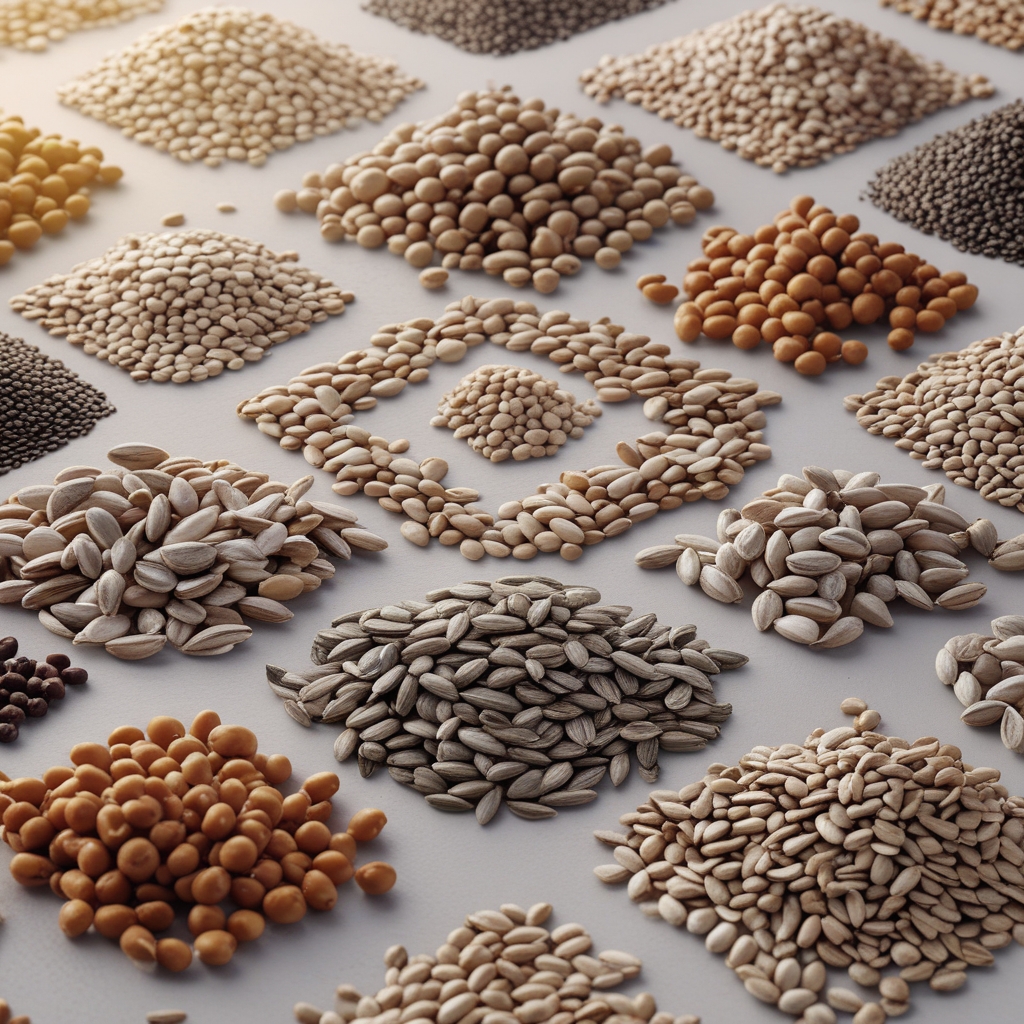
Abstract macro photograph of protein-rich legumes and seeds including lentils, chickpeas, and sunflower seeds arranged in geometric patterns on a neutral white surface
Category 04

Amino Acids and Protein Metabolism

Information on essential and non-essential amino acids, their contribution to protein synthesis, and their role in general tissue maintenance and metabolic processes within the human body.

  • Building blocks of proteins
  • Essential for tissue maintenance
  • Supports enzymatic reactions
Learn More
Rich deep-coloured berries, dark grapes, and blueberries arranged on a dark slate surface representing polyphenol and antioxidant-rich foods with a dramatic low-key lighting style
Category 05

Antioxidants and Cellular Protection

An educational overview of antioxidants including CoQ10, alpha-lipoic acid, and polyphenols, and their general mechanisms of action in relation to cellular oxidative processes.

  • Helps neutralise free radicals
  • Supports cellular integrity
  • Involved in energy production pathways
Learn More
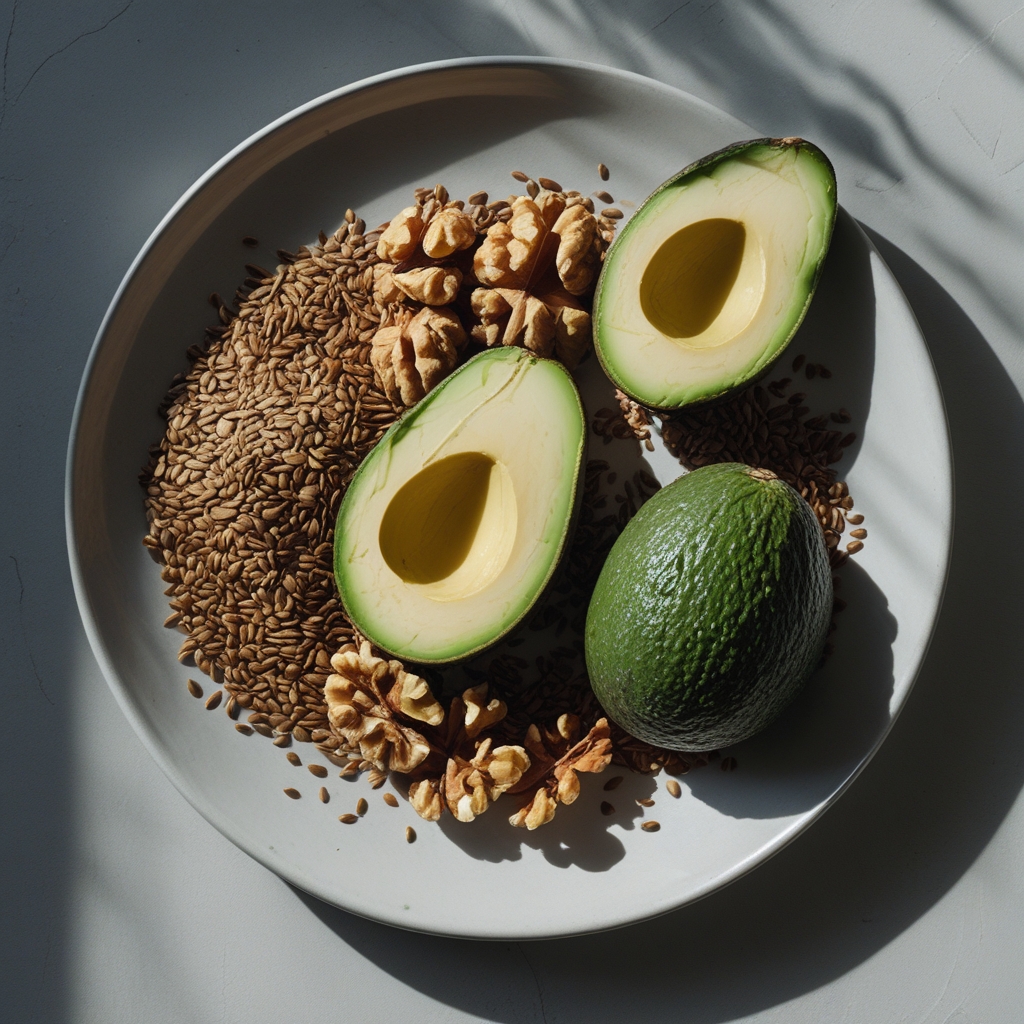
Overhead view of omega-3 rich foods including whole walnuts, flaxseeds, and a halved avocado arranged on a clean white surface with natural north light creating subtle shadows
Category 06

Fatty Acids for Holistic Well-being

Details about essential fatty acids including Omega-3 and Omega-6, and their fundamental roles in cellular structure, neurological function, and the maintenance of systemic balance.

  • Crucial for cell membrane structure
  • Supports cognitive functions
  • Contributes to systemic balance
Learn More

Context and Limitations: The materials on this site are for informational purposes only. They do not constitute individual recommendations or advice. Various approaches exist in daily life, and the information here is not a substitute for personal decisions or professional consultation. All "Learn More" links lead to the general contact page for content enquiries only — no products are sold.

How to Use This Index

Each entry in this index presents a compound category from a purely educational standpoint. The descriptions are drawn from peer-reviewed nutritional literature and established biochemical references. No claims are made about outcomes for any individual.

For any questions about the content of this index, use the contact form to submit a general enquiry. We do not provide individual consultations.

Cross-Reference Guide

Related Educational Topics

The compound categories presented in this index are discussed in greater detail across the thematic sections of the home page. The following cross-references may assist in contextual understanding.

  • Vitamins and Minerals

    Covered in depth in the Micronutrient Reference section, including a comprehensive data table with sources and general roles.

  • Botanical Extracts

    Historical context and phytochemical background for select botanicals are presented in the Botanical Extracts section.

  • Foundational Principles

    The biochemical rationale for why dietary compounds matter is explained in the Foundational Principles section of the home page.

  • Engagement

    Explore the Full Educational Context

    Return to the main educational resource to access the complete range of thematic sections, including historical context, global approaches, and the full micronutrient reference table.

    Discover Principles